
Ομιλία στην ευαγγελική περικοπή του Λουκά ιγ´ 10-17.
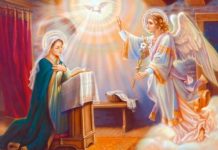
Δεκαοκτώ έτη και μια αιωνιότητα χαραγμένη σε μια ανθρώπινη ράχη. Αυτό συνιστά το μέτρο της οδύνης, την παράμετρο του χρόνου που καταμετρά η γη, όταν το βλέμμα αδυνατεί να αντικρίσει τον ουρανό. Η συγκύπτουσα γυναίκα της ευαγγελικής περικοπής, μια σκιά εντός του πλήθους, εισέρχεται στη συναγωγή σέρνοντας την ύπαρξή της, αντί να βαδίζει. Το σώμα της έχει μεταβληθεί πρόωρα σε μνήμα της ψυχής της, ενώ η χρόνια αγκύλωση μοιάζει με σκουριασμένο κλειδί στην κλειδαριά του χρόνου, το οποίο αρνείται πεισματικά να περιστραφεί. Εύλογα εγείρεται το ερώτημα: πόσο άραγε ζυγίζει ο καημός και η αμαρτία του κόσμου; Πιθανώς, ισούται με το βάρος που την εξαναγκάζει να προσβλέπει διαρκώς στο χώμα. Ολόγυρα, η Συναγωγή φάνταζε εκείνη την ημέρα αλλότρια, σχεδόν εχθρική, καθώς η τήρηση του Σαββάτου είχε εκφυλιστεί σε μία απολιθωμένη τυπική θρησκευτικότητα, βαρύτερη από την ίδια την ασθένεια. Εν μέσω των συναθροισμένων ανθρώπων, η ζωντανή εικόνα του Θεού συντρίβεται…
Πρόκειται για μία τραγική ειρωνεία, η θρησκεία μεταλλάσσεται σε βρόχο αντί να λειτουργεί ως πτέρυγα. Η γυναίκα στέκεται εκεί, ανάμεσά τους, ως μία σιωπηλή μαρτυρία τόσο της πτώσης, όσο και της επιτακτικής ανάγκης για λύτρωση. Κανείς δεν της απέδιδε προσοχή, διότι όλοι είχαν εξοικειωθεί με την παρουσία της, και η εξοικείωση με τον πόνο του άλλου αποτελεί την πλέον ειδεχθή μορφή σκληροκαρδίας. Εκείνη όμως την ημέρα, η ατμόσφαιρα είχε αποκτήσει άλλη πυκνότητα, καθότι ο Διδάσκαλος ήταν παρών: «Ἦν δὲ διδάσκων ἐν μιᾷ τῶν συναγωγῶν ἐν τοῖς σάββασι» (Λουκ. 13, 10).
Η παρουσία Του μεταβάλλει τη συχνότητα του χώρου. Το βλέμμα Του διαπερνά το κέλυφος της παραμόρφωσης και αναγιγνώσκει την ιστορία της. Δεκαοκτώ έτη ο Σατανάς έπλεκε ένα δίχτυ από αόρατο οστό γύρω από το σώμα της, κρατώντας την έρμαιο. Ο Κύριος δεν αναμένει το αίτημα βοήθειας, αλλά η ανάγκη της ηχεί σιωπηλά, η ίδια η στάση του σώματός της συνιστά δέηση. «Γύναι, ἀπολέλυσαι τῆς ἀσθενείας σου» (Λουκ. 13, 12). Λόγος δημιουργικός, λόγος που θρυμματίζει τα δεσμά. Ακολουθεί η κίνηση, η αφή. Οι χείρες που θεραπεύουν της επιστρέφουν τη χαμένη ικμάδα. Και ακαριαία, η γυναίκα ανορθώνεται.
Η θεραπεία λειτουργεί ως αιφνίδιο θραύσμα του κατόπτρου όπου καθρεφτιζόταν η απελπισία της. Τώρα, αντικρίζει πρόσωπα, βλέπει φως, αναγνωρίζει τον Ευεργέτη. Και η πρώτη της αντίδραση είναι η ευχαριστία, η οποία συνιστά το ακριβές ήθος της σωτηρίας. Η χαρά, παρ’ όλα αυτά, αποδεικνύεται ενοχλητική για ορισμένους. Ο αρχισυνάγωγος, φρουρός του Νόμου, αγανακτεί. Η αντίδρασή του οφείλεται στην απώλεια ελέγχου, καθώς η Χάρις λειτούργησε εκτός των στεγανών του. «Έξι ημέρες υπάρχουν για να δουλεύετε…», διακηρύσσει προς το πλήθος, αποφεύγοντας δειλά να αντικρίσει τον Ιησού. Απευθύνεται στον όχλο προκειμένου να πλήξει τον Χριστό. Η υποκρισία αναζητά πάντοτε συμμάχους, καθώς αδυνατεί να αντέξει μόνη της την αλήθεια.
Ο αρχισυνάγωγος βαφτίζει την ίαση «εργασία». Πρόκειται για μία βαθύτατα διαστρεβλωμένη αντίληψη. Εδώ ο λόγος του Κυρίου πέφτει ως καταπέλτης: «Ὑποκριτά, ἕκαστος ὑμῶν τῷ σαββάτῳ οὐ λύει τὸν βοῦν αὐτοῦ ἢ τὸν ὄνον ἀπὸ τῆς φάτνης καὶ ἀπαγαγὼν ποτίζει;» (Λουκ. 13, 15). Η λογική Του είναι συντριπτική, μεριμνούν για τα ζώα τους, αλλά απαγορεύουν στον Θεό να φροντίσει το ίδιο Του το πλάσμα.[1] Ο Χριστός ανατρέπει βίαια αυτή τη νοσηρή ιεράρχηση. Ακολουθεί η φράση που μεταβάλλει την ιστορία, καθώς την αποκαλεί «θυγατέρα Αβραάμ». Της αποδίδει ταυτότητα, η οποία υπερβαίνει την ιδιότητα της γυναίκας και της ασθενούς, και την εντάσσει εκ νέου στην κοινότητα. Της επιστρέφει την αξιοπρέπεια που της είχε υφαρπάξει η δεκαοκτάχρονη σιωπή.[2]
Η γυναίκα, διπλά περιθωριοποιημένη, τίθεται στο επίκεντρο της θεϊκής πρόνοιας. Ίσως τα δεκαοκτώ έτη συμβολίζουν το κατώφλι της ενηλικίωσης, η γυναίκα υπέφερε ακριβώς επειδή ήταν εγκλωβισμένη σε μία πνευματική ανωριμότητα, και η θεραπεία της σηματοδοτεί την ενηλικίωσή της στην ελευθερία του Θεού. Αντιθέτως, ο αρχισυνάγωγος, αν και ηλικιωμένος, παραμένει πνευματικά νήπιο. Ζούμε εν μέσω τέτοιων «συναγωγών», σε χώρους όπου οι κανονισμοί καθίστανται σημαντικότεροι από την ανθρώπινη βιοτή. Το κρίσιμο ερώτημα επιστρέφει σε εμάς: Τι πράττουμε; Είμαστε οι τηρητές του Σαββάτου ή οι μαθητές του Ιησού;
Το Σάββατο δημιουργήθηκε για τον άνθρωπο. Κάθε φορά που συνδράμουμε έναν συνάνθρωπο να ανορθώσει το κεφάλι του, να αντικρίσει τον ουρανό, τελούμε μία θεία λειτουργία. Η αντίδραση του πλήθους έρχεται ως τελική δικαίωση: «…ἔχαιρεν ἐπὶ πᾶσι τοῖς ἐνδόξοις τοῖς γινομένοις ὑπ᾿ αὐτοῦ» (Λουκ. 13, 17). Ο λαός διαθέτει αισθητήριο, αντιλαμβάνεται πότε ομιλεί η Αλήθεια. Ας φανταστούμε τη γυναίκα να επιστρέφει στην οικία της. Το σώμα της ίσως πονά λόγω της αιφνίδιας μεταβολής, αλλά η ψυχή της ίπταται. Ατενίζει τα δέντρα, τις στέγες, τα πρόσωπα, χαμένη σε μια γλυκιά ενατένιση. Αυτή η ιστορία συνιστά το διαρκές παρόν της Εκκλησίας. Διότι ο Χριστός ήλθε για να λύσει. Φοβάμαι όμως πως κάποιοι από εμάς, μέσω της τυπολατρίας ή της αδιαφορίας μας, γινόμαστε συνεργοί του Σατανά στο «δέσιμο» των αδελφών μας.
Θα ήταν καλύτερα αν ήμασταν χέρια που απλώνονται και όχι δάχτυλα που δείχνουν.
Ο καθρέφτης της απελπισίας οφείλει να θρυμματιστεί. Και θρυμματίζεται μόνον με την παρουσία του Προσώπου, του Χριστού. Εκείνου που βλέπει, καλεί και αγγίζει. Χωρίς προϋποθέσεις. Μόνο με έλεος.
Μάξιμος Παφίλης, Επίσκοπος Μελιτηνής
[1] Θεοφύλακτος Βουλγαρίας, Τα Εὑρισκόμενα Πάντα, εν Patrologiae Cursus Completus: Series Graeca, επιμ. Jacques-Paul Migne, τ. 123 (Paris: J.-P. Migne, 1864), 916.
[2] Dorothy Kelley Patterson και Rhonda Harrington Kelley, The Woman’s Study Bible (Nashville: Thomas Nelson, 2017), 1544.
The shadow that became light
Maximos Pafilis, Bishop of Melitene (translation from the original Greek text)
Sermon on the Gospel according to Luke 13:10-17.
Eighteen years and an eternity engraved on a human spine. This constitutes the measure of the anguish, the parameter of the time that the earth registers, when the gaze is unable to face the heaven. The woman bent double of the Gospel passage, a shadow within the crowd, enters the synagogue dragging her existence, instead of walking. Her body has been prematurely transformed into a tomb of her soul, while the chronic ankylosis seems like a rusty key in the lock of time, which stubbornly refuses to turn. Understandably, the question is raised: how much, truly, do the sorrow and the sin of the world weigh? Possibly, it is equal to the weight that compels her to gaze constantly at the earth. All around, the Synagogue seemed alien that day, almost hostile, as the observance of the Sabbath had degenerated into a petrified, formal religiosity, heavier than the disease itself. Amidst the assembled people, the living image of God is crushed…
This is a tragic irony, the religion is transformed into a noose instead of functioning as a wing. The woman stands there, amongst them, as a silent testimony both to the fall, and to the urgent need for redemption. No one paid attention to her, because everyone had grown accustomed to her presence, and the accustoming to the pain of the other constitutes the most hideous form of hard-heartedness. That day, however, the atmosphere had acquired another density, because the Teacher was present: «And he was teaching in one of the synagogues on the sabbath» (Luke 13:10).
His presence changes the frequency of the space. His gaze penetrates the shell of the deformity and reads her story. For eighteen years Satan was weaving a net of invisible bone around her body, holding her captive. The Lord does not await the request for help, but her need sounds silently, the very posture of her body constitutes a supplication. «Woman, you are released from your infirmity» (Luke 13:12). A creative word, a word that shatters the bonds. The action follows, the touch. The hands that heal restore her lost vitality. And instantaneously, the woman stands upright.
The healing functions as a sudden fragmenting of the mirror where her despair was reflected. Now, she faces people, she sees light, she recognises the Benefactor. And her first reaction is the thanksgiving, which constitutes the precise ethos of salvation. The joy, despite everything, proves annoying to some. The chief ruler of the synagogue, guardian of the Law, is indignant. His reaction is due to the loss of control, as the Grace functioned outside of his watertight compartments. «There are six days for you to work…», he proclaims to the crowd, timidly avoiding to look at Jesus. He addresses the mob in order to strike the Christ. Hypocrisy always seeks allies, as it is unable to withstand the truth alone.
The chief ruler of the synagogue baptises the healing as «work». This is a deeply distorted perception. Here the word of the Lord falls as a catapult: «You hypocrite, does not each of you on the sabbath untie his ox or his donkey from the manger and lead it away to water it?» (Luke 13:15).[1]
His logic is crushing, they care for their animals, but they forbid God to care for His very own creature. The Christ violently overturns this morbid prioritisation. The phrase that changes history follows, as He calls her «daughter of Abraham». He restores her identity, which surpasses the identity of the woman and the invalid, and re-integrates her into the community. He returns the dignity to her which the eighteen-year-long silence had snatched away from her.[2]
The woman, doubly marginalised, is placed at the centre of the divine providence. Perhaps the eighteen years symbolise the threshold of adulthood, the woman was suffering precisely because she was trapped in a spiritual immaturity, and her healing signals her maturation into the freedom of God. Conversely, the chief ruler of the synagogue, although elderly, remains spiritually an infant. We live amidst such «synagogues», in spaces where the regulations become more important than the human existence. The crucial question returns to us: What do we do? Are we the keepers of the Sabbath or the disciples of Jesus?
The Sabbath was created for the man. Every time we help a fellow man to lift his head, to face the heaven, we are performing a divine liturgy. The reaction of the crowd comes as a final vindication: «…and all the people rejoiced at all the glorious things that were done by him» (Luke 13:17). The people possess a sense, they perceive when the Truth speaks. Let us imagine the woman returning to her home. Her body perhaps aches due to the sudden change, but her soul flies. She gazes at the trees, the roofs, the faces, lost in a sweet contemplation. This story constitutes the permanent present of the Church. Because the Christ came to unbind. I fear, however, that some of us, through our ritualism or our indifference, become collaborators of Satan in the «binding» of our brothers.
It would be better if we were hands that reach out and not fingers that point. The mirror of despair must be shattered. And it is shattered only with the presence of the Person, of Christ. The One who sees, calls and touches. Without preconditions. Only with mercy.
Republication is permitted provided that the author’s name, Maximos Pafilis, Bishop of Melitene, is cited.